François Viète’s revolution in algebra Research Outreach

root. notation. François Viète (born 1540, Fontenay-le-Comte, France—died December 13, 1603, Paris) was a mathematician who introduced the first systematic algebraic notation and contributed to the theory of equations. Viète, a Huguenot sympathizer, solved a complex cipher of more than 500 characters used by King Philip II of Spain in his.
François Viète Alchetron, The Free Social Encyclopedia

François Viète (1540 -1603), a French lawyer in the court of Henry IV, took algebra in a completely different direction from his predecessors. Beginning in 1591, he published a series of short treatises in which his algebraic knowns and unknowns, which he calls 'magnitudes', possess dimension without limit, and, for the first time.
François Viète’s revolution in algebra Research Outreach

Abstract. There were two radically different algebras practiced in Europe in the time of Fermat and Descartes. One was the traditional cossic algebra grounded in arithmetic whose roots stretch back to al-Khwārizmī and Diophantus, and the other was the new geometrical algebra of François Viète. Both Fermat and Descartes chose to work in the.
Francois Viete, French mathematician Stock Image H422/0117 Science Photo Library

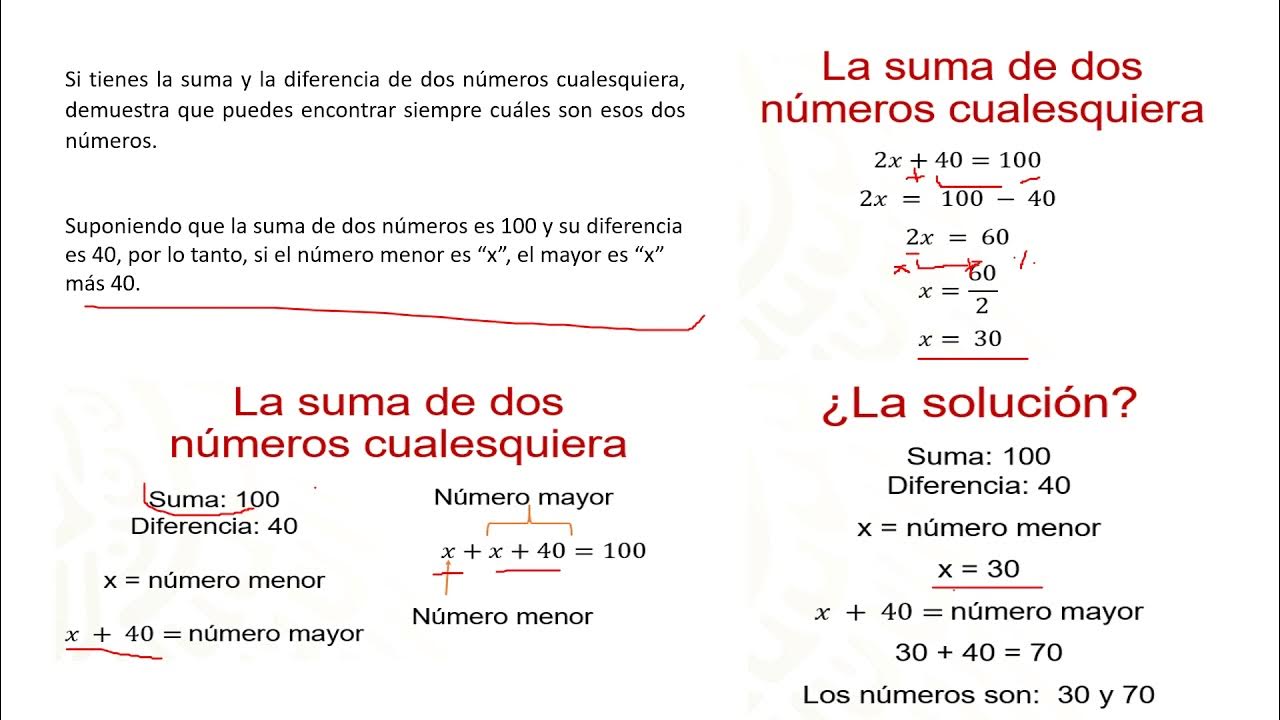
Por admin / marzo 28, 2021. Aprendizaje esperado: Concibe las matemáticas como una construcción social en la que se formulan y argumentan hechos y procedimientos matemáticos. Énfasis: Reconocer las aportaciones de François Viète al algebra en la conceptualización del número simbólico. Clases segundo de secundaria Jueves 15 de abril 2021.
François Viète. http//www.cosmovisions. com/mathematiquesChrono.htm Download Scientific Diagram

François Viète, Seigneur de la Bigotière (Latin: Franciscus Vieta; 1540 - 23 February 1603), commonly known by his mononym, Vieta, was a French mathematician whose work on new algebra was an important step towards modern algebra, due to his innovative use of letters as parameters in equations. He was a lawyer by trade, and served as a privy councillor to both Henry III and Henry IV of France.
Introduction en l'art analytic, ou Nouuelle algebre de François Viete. Oeuure dans lequel sont

François Viète (en latín, Franciscus Vieta) fue un abogado y matemático francés (Fontenay-le-Comte, 1540-París, 1603). [1] Se le considera uno de los principales precursores del álgebra.Fue el primero en representar los parámetros de una ecuación mediante letras, siendo un destacado precursor de la utilización del álgebra en criptografía, lo que le permitió descodificar los.
François Viète Issues the Earliest Work on Symbolic Algebra; A Tale of Two Printings History
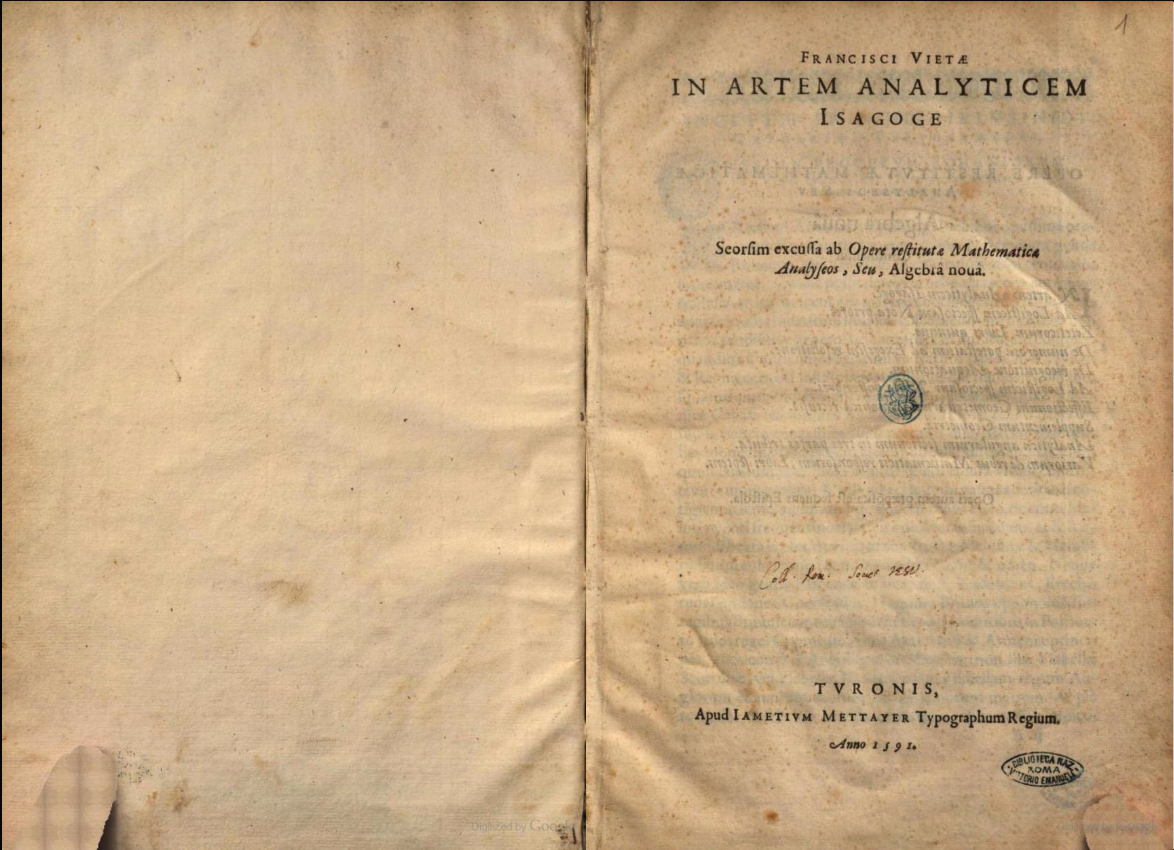
According to all the histories of mathematics and science, in 1591 French lawyer, Conseil du Roi, and mathematician François Viète (Franciscus Vieta) published a pamphlet that was the earliest work on symbolic algebra. This pamphlet was issued under two different titles: a version issued separately entitled In artem analyticem isagoge (Introduction to the Analytic Art), and a version.
Matemáticas Segundo Grado de Secundaria (Aprende en Casa 3) François viète y el algebra

28 de Abril de 2023 a las 15:45. Matemáticas. François Viète y el álgebra simbólica. Aprendizaje esperado: concibe las matemáticas como una construcción social en la que se formulan y argumentan hechos y procedimientos matemáticos. Énfasis: reconocer las aportaciones de François Viète al algebra en la conceptualización del número.
François Viète y el álgebra simbólica Nueva Escuela Mexicana
Play TOMi.digital - François Viète y el álgebra simbólica and grow up the students participation with funny activities while reviewing concepts. Search lesson. ENG. Study again if you are a student. With TOMi you learn while having fun! Practice. Play and schedule if you are a teacher.
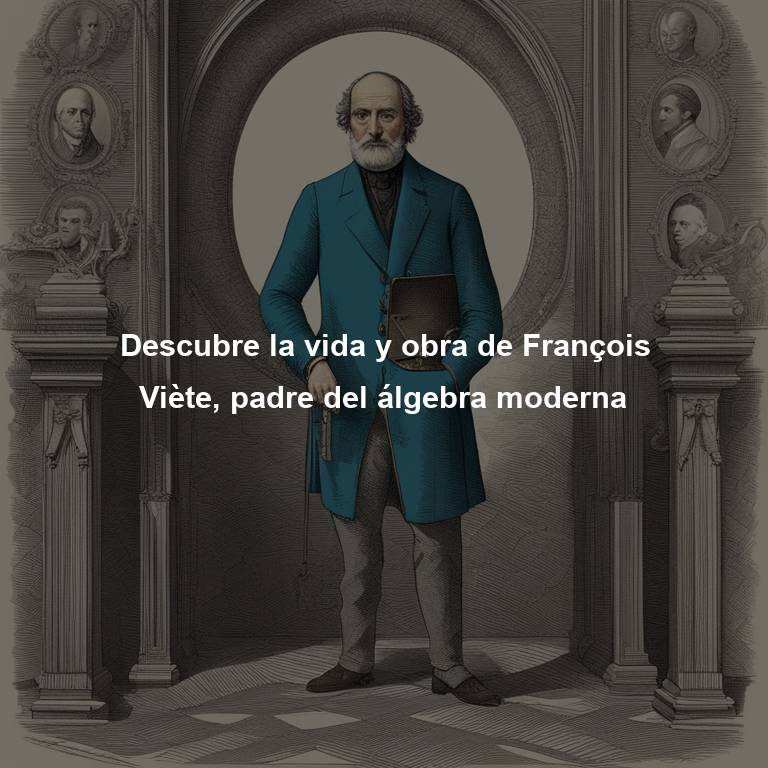
Descubre la vida y obra de François Viète, padre del álgebra moderna
El proceso de algebrización y el Arte analítico de Viète. Viète con su Arte analítico intentó restaurar el análisis antiguo, que para los matemáticos griegos era un método geométrico, usando el álgebra, aplicada tanto a magnitudes aritméticas como geométricas. Usó letras para representar tanto las incógnitas como los parámetros.
FRANCISCO VIETA / François Viete Grandes Matemáticos YouTube

Abstract Françios Viète (1540-1603) was a geometer in search of better techniques. for astronomical calculation. Through his theorem on angular sections he found a use. for higher-dimensional.
Francois Viete Photograph by Science Photo Library Pixels

On February 23, 1603, French mathematician François Viète passed away. Viète 's work on a algebra was an important step towards modern algebra, due to its innovative use of letters as parameters in equations.He was a lawyer by trade, and served as a privy councillor to both Henry III and Henry IV.. Francois Viète - Early Years. Vieta was born at Fontenay-le-Comte, in western France.
FrançOis VièTe

About Press Copyright Contact us Creators Advertise Developers Terms Privacy Policy & Safety How YouTube works Test new features NFL Sunday Ticket Press Copyright.
FranÇois ViÈte (15401603) Painting by Granger Fine Art America

Aprende en casa 3.15 de abril de 2021.Matemáticas, segundo grado de secundaria.Tema: François viète y el algebra simbólica
(PDF) François Viète introducció de la nova àlgebra

Françios Viète (1540-1603) was a geometer in search of better techniques for astronomical calculation. Through his theorem on angular sections he found a use for higher-dimensional geometric magnitudes which allowed him to create an algebra for geometry. We show that unlike traditional numerical algebra, the knowns and unknowns in Viète's logistice speciosa are the relative sizes of non.
Mate II 15 04 2021 Francois Viete y el álgebra simbólica YouTube
Biography François Viète's father was Étienne Viète, a lawyer in Fontenay-le-Comte in western France about 50 km east of the coastal town of La Rochelle. François' mother was Marguerite Dupont. He attended school in Fontenay-le-Comte and then moved to Poitiers, about 80 km east of Fontenay-le-Comte, where he was educated at the University of Poitiers.
.
